



















In every conference cycle, attention usually moves toward teams with immediate rankings, headline recruits, or tournament expectations. Yet some of the most important work in college basketball happens away from that spotlight, inside programs where coaches are changing systems step by step. In the current ACC environment, several coaching staffs are rebuilding through retention, defensive identity, and role clarity rather than quick headlines, and for readers who follow roster transitions closely, click here often appears in analytical discussions around how external attention can differ from internal program progress.
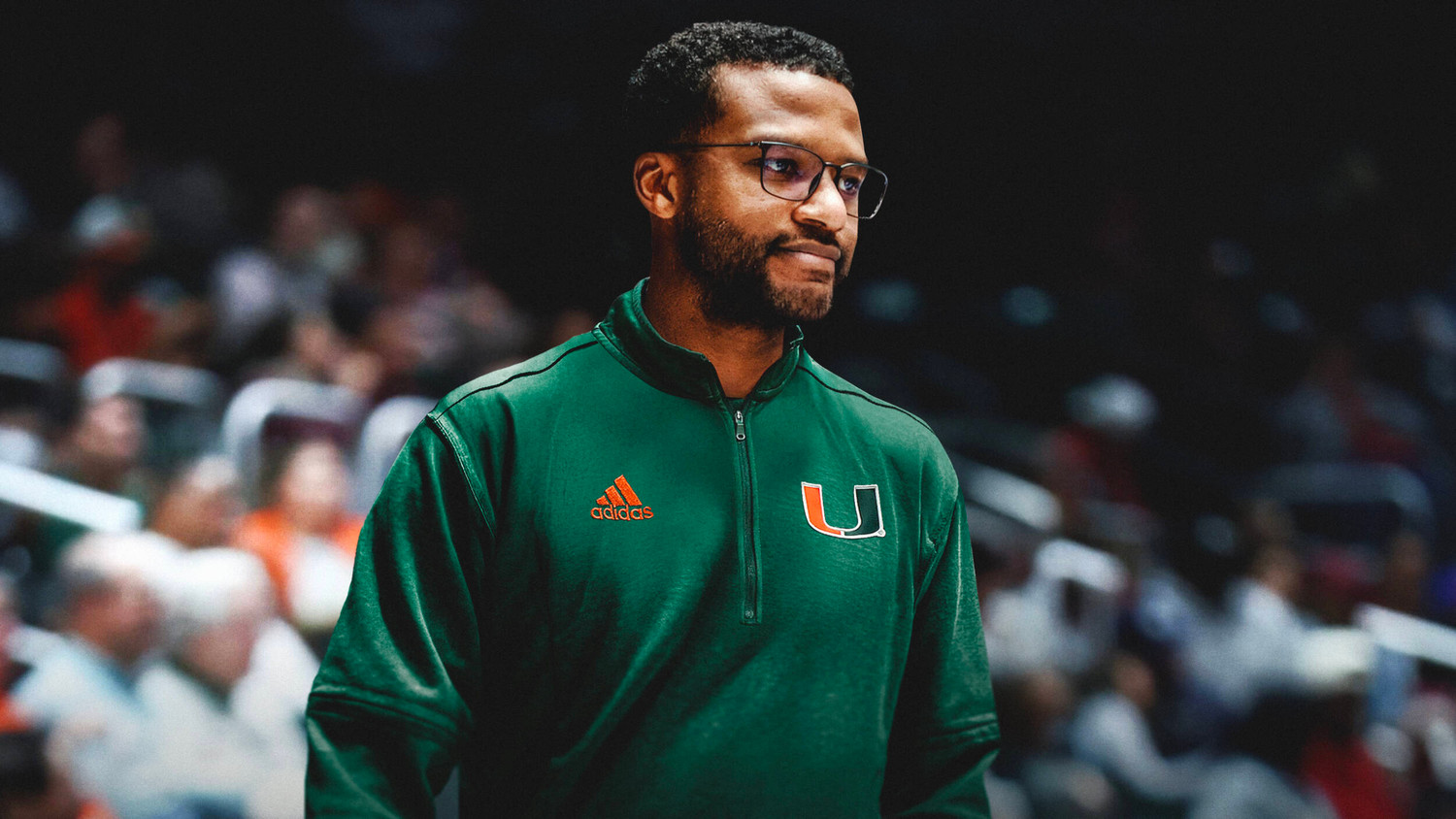
These rebuilding projects are not built around one recruiting class or one transfer period. They often begin with identifying what has failed in recent seasons: poor late-game execution, unstable rotations, weak defensive habits, or uneven player development. Coaches who rebuild quietly usually begin by correcting those repeat problems before expecting visible results.
The ACC remains one of the most demanding conferences because every season combines established programs, coaching continuity, and rising teams that can change the standings quickly. In that setting, rebuilding requires patience and decisions that may not produce immediate public recognition.
Why Quiet Rebuilding Often Produces Stronger Long-Term Results
A visible rebuild often depends on one major addition or one unexpected season. Quiet rebuilding is different because it depends on repeatable habits.
The first stage usually appears in roster structure. Coaches reduce uncertainty by defining which players fit specific responsibilities. Instead of rotating heavily without consistency, they begin assigning clearer usage patterns. Guards know when they initiate offense, forwards understand spacing demands, and bench players receive narrower assignments that help execution.
The second stage appears in defensive correction. Programs that rebuild effectively often improve first on possessions that do not receive public attention: transition defense, help-side recovery, and foul discipline. These details rarely become headlines, but over a season they often determine whether a team remains competitive inside conference play.
The third stage is player retention. A stable roster allows systems to mature. In modern college basketball, retaining two or three core players can matter more than adding multiple new names without continuity.
Several ACC coaches are now following this pattern.
Program Adjustment Through Controlled Tempo
One group of coaches has focused on pace control rather than dramatic tactical changes.
Teams that previously played without rhythm often now show fewer rushed possessions. This does not always mean slower basketball. It means possessions begin with more structure: earlier positioning, cleaner entry actions, and fewer forced attempts late in the shot clock.
Controlled tempo matters because many rebuilding programs initially struggle with decision-making under pressure. Coaches who address this first often improve game stability even before overall talent rises.
This also helps younger players develop more quickly. Freshmen entering structured possessions understand reads faster than players placed in unstable offensive systems.
Over time, this creates a measurable difference in turnover rate and shot quality.
Defensive Identity as the First Sign of Real Progress
Many quiet rebuilds in the ACC begin with defense because defense does not require complete offensive maturity.
Programs that struggled previously often begin by reducing simple breakdowns:
-
missed switches
-
poor closeouts
-
unnecessary fouls
-
weak rebounding position
These corrections do not immediately produce large win totals, but they reduce collapse periods during conference games.
A coach rebuilding effectively often accepts lower offensive production early if defensive discipline becomes stable.
This strategy matters because offensive systems usually improve once players trust spacing and timing. Defensive identity often arrives first because responsibilities are easier to standardize.
Several ACC staffs have clearly prioritized this route over short-term offensive experimentation.
Player Development Without Public Attention
The strongest quiet rebuilds often become visible only when second-year players improve more than expected.
Instead of relying on one standout recruit, coaches develop multiple rotation players who improve in smaller categories:
-
better passing decisions
-
stronger defensive footwork
-
improved off-ball movement
-
reduced foul frequency
These improvements rarely generate major national attention, but they change conference outcomes.
A guard who averages similar scoring numbers may still become much more valuable if turnovers fall and defensive assignments improve.
A forward who scores less may still strengthen a team by creating spacing that did not exist the year before.
Quiet rebuilding depends on these less visible gains.
Transfer Decisions That Fit Structure Instead of Headlines
Another sign of careful rebuilding is transfer selection.
Programs rebuilding effectively do not always target the most visible names. They often choose players who solve one specific structural issue:
-
perimeter defense
-
ball handling depth
-
interior rebounding
-
half-court spacing
This produces less public attention during the offseason but often stronger midseason results.
A coach who understands current roster gaps usually values fit over recognition.
This becomes especially important in the ACC because conference opponents quickly expose lineup imbalance.
If a team adds scoring but loses defensive stability, conference play often becomes inconsistent. Quiet rebuilders usually avoid that mistake.
Coaching Stability During Uneven Seasons
A rebuild rarely moves in a straight line.
Even effective coaching projects include losses that appear disappointing externally. What matters is whether internal patterns improve despite inconsistent results.
Signs of real progress include:
-
fewer second-half collapses
-
better road competitiveness
-
narrower losses against stronger opponents
-
stronger late-season execution
These patterns often matter more than total wins during the middle stage of rebuilding.
Some ACC coaches now show exactly this profile: their teams are not fully formed, but the internal structure is clearly stronger than one season earlier.
Why Patience Still Matters in the ACC
The ACC creates pressure because expectations remain high across multiple programs.
However, coaches rebuilding quietly often benefit from resisting abrupt changes after short setbacks.
Changing systems too often usually delays development. Stable teaching allows players to absorb roles over multiple months.
Programs that improve quietly often look ordinary in November and much stronger by February because systems need repetition before becoming instinctive.
This is especially true when rotations include younger players.
The Programs Most Likely to Benefit First
The next visible step usually happens when one rebuilt area combines with another.
For example:
-
improved defense plus stable guard play
-
stronger rebounding plus lower turnover rates
-
better spacing plus late-game execution
At that point, a team begins winning games it previously lost.
This often creates the first public recognition of work that actually began much earlier.
In many ACC cases, current progress suggests that some programs are closer to this stage than public discussion reflects.
Conclusion
Quiet rebuilding often produces stronger foundations than highly visible resets.
In the ACC, coaches who focus on roster clarity, defensive correction, player development, and fit-based transfers often create durable progress before outside attention catches up.
The most important changes usually begin where few people look first: practice habits, rotation discipline, and repeatable possession control.
When these pieces hold over multiple months, results eventually follow.
That is why several ACC programs may look different not because of sudden change, but because quiet rebuilding has already been underway longer than many observers realize.
